
When turkey doesn't hack it
A quick recipe for a good sticky sausage

If you are reading this, I am touched. And somewhat burdened. After all, it is The Day Before Christmas and you probably have a long list of last minute panic activities you need to attend to. Making any other demands on your attention is a deep responsibility. I shall attempt to merit it with a discourse upon the sausage.

The reasoning behind this is because, in my family at least, the sausage is a Christmas saviour - if you’ll permit this secular use of the timely noun. There’s a high chance you’ll be making a mercy dash some time today for that vital whatsit that should have gone into your shopping trolley days ago but which you quite forgot. If this does indeed apply to you, add to your list ‘Sausages’. Over the several days of the winter celebration, you will find them a life saver.
It doesn’t matter how much cold turkey languishes in the fridge next to other tempting plastic-wrapped pickings such as bowls of left-over stuffing, dressing, brugger-sproggers - the name for Brussels sprouts among the ilk of one-time (is our fervent hope) UK Prime Minister Boris Johnson, cold roasties, cranberry sauce, all waiting to be slammed between two thick slices of buttered bread. Someone at some point will crave a sausage.
Perhaps a chipolata. Raw, these sausages are pretty off-putting, looking as they do like witches’ fingers. But rolled up in a bacon rasher and roasted, they play a key part in the support-acts line-up around the turkey.
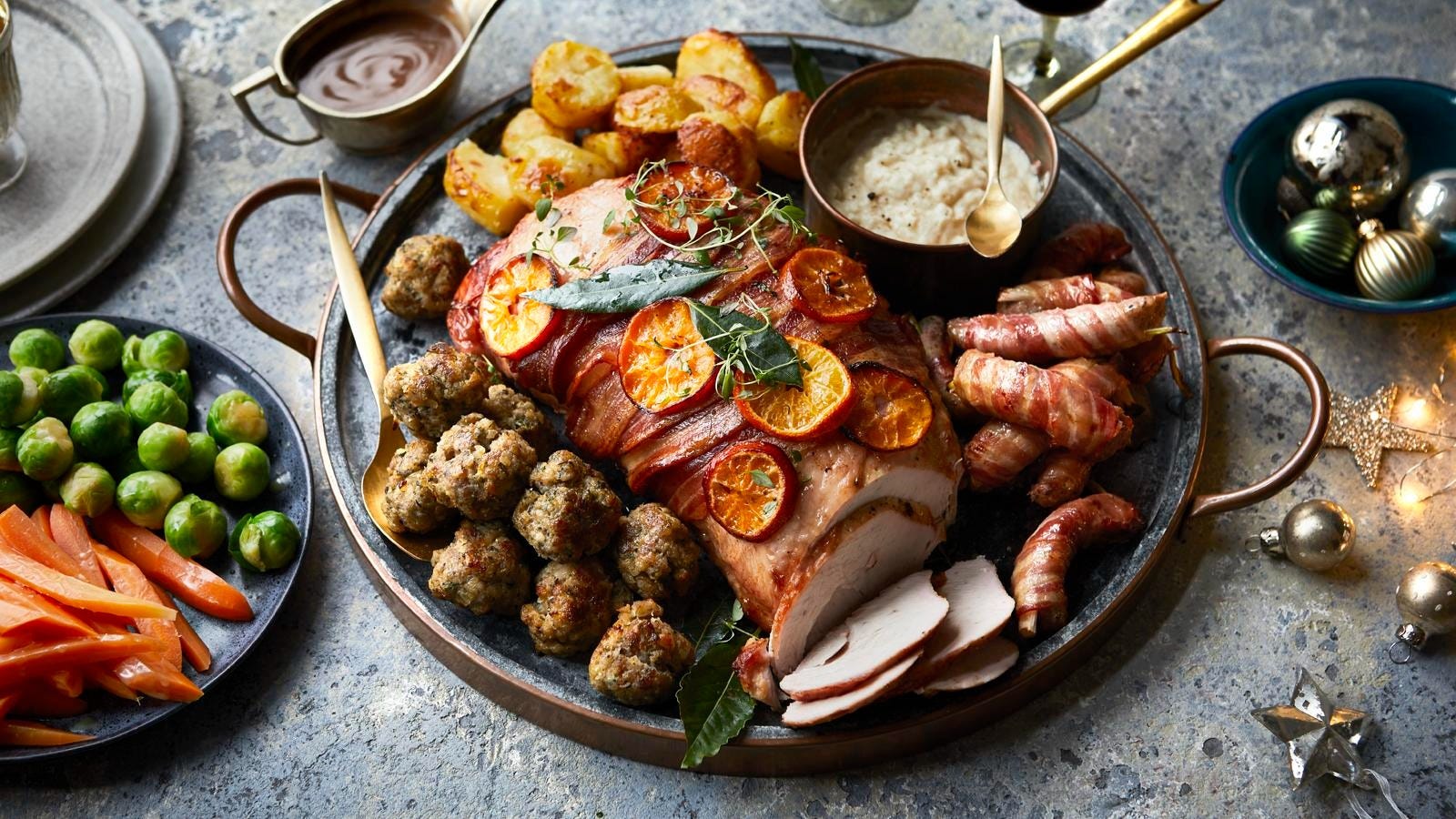
Bacon-free, they are the best sausages to impale on cocktail sticks for Boxing Day parties. The chipolata name is deceptive. It derives from cippola, the Italian for onion, which they do not contain. The historical assumption is that originally they were always cooked with tiny onions and later absorbed their name while abandoning these alliums. When feeling peckish, they taste particularly satisfying dipped in tear-jerking English mustard and eaten sizzling hot clutched between scalded finger-pads to the accompaniment of heugh heugh gasping exhalations at the burn they leave on the tongue.
But the banger is the serious appetite quencher. These fat sausages are so named because back in the day when they were handmade by butchers and not by industrial intestine-stuffing machinery, if you didn’t prick them they would burst in the heat of the pan and their minced meats would emerge like tiny cauliflower florets through the punctured skin.
Sausages are one of those foods with a lengthy pedigree that appear in almost every ancient and modern civilisation around the world, starting with the Mesopotamian in mid-third century BC when they were mentioned on an Akkadian tablet, those clay records for everything from legal codes to economic transactions and royal decrees.

Across the centuries, efficient butchers the world over have brought together the left-over scraps of organ meats, tissue, blood, fat, spices and herbs, and stuffed them inside the cleaned intestines of animals, in some cases salting them to preserve them for a longer life. Homer mentions a blood sausage in The Odyssey. Epicharmus, who lived around 550 BC and was considered one of the first comedians, wrote an apparent side-splitter called The Sausage, while Aristophanes’ play The Knights is a precursor of Forrest Gump about a sausage seller who gets elected the country’s leader.
A staple seldom out of my fridge is a vacuumed package of Chinese sausages, hard wind-dried affairs which, unopened, keep almost forever. And even (avert your eyes, you Elf & Safety nit-pickers) once opened…
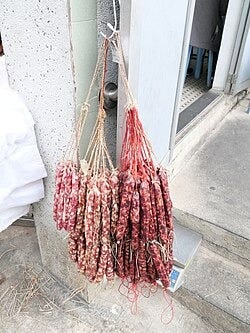
Slightly sweet, these are usually flavoured with star anise, rice wine and soy. Sliced in diagonals and steamed with mange-touts or sugar snap peas that you then splash with sesame oil and sprinkle with toasted sesame seeds, they make a quick and delicious supper which can be bulked out with steamed rice.
Made from pork, they may have been the origin of modern salami. This found its feet globally with Italian migration in the 19th-century, the name coming from ‘salare’, to salt. But preserving, curing, fermenting, smoking, or air-drying pork, lamb, mutton or beef with salt, spices and fat goes back to the Roman era, creating a staple food across Europe and North Africa with long storage life and useful in supplementing meals during the months when the supply of fresh meat is limited. In the US, where it was introduced by settlers, there's even a National Salami Day - September 7.
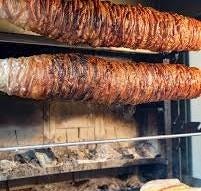
Kokoretsi, common across the Balkans, and in Greece where it is served on Easter Sunday, is one of my favourite fresh sausages that EU regulations won’t permit the sale of outside its various countries of origin. It’s a ‘sausage’ of chopped lamb or goat offal wound around with intestines, covered in caul fat, then slow-roasted on a spit till it tastes Marmite-y. (I can hear the horror.) It’s often served sliced inside a warm pitta with tomatoes, cucumbers and onions, a take-out feast.
The English cook Nigel Slater recommends cooking good sausages very very slowly on the hob, turning them regularly. This makes them become deliciously sticky. I start them off under a lid to cut down the cooking time.
And that recipe is all I’m giving you this Christmas Eve. It’s too late now to undertake any other cooking, and once you’ve dispatched the turkey, you shouldn’t be expected to spend any more time in the kitchen. Though I would add that, riffing on this sausage theme, sausage rolls are a Very Good Thing to have access to between now and the New Year. If you agree, the best recipe for those is right here.
Have a very Merry Christmas and Happy Holiday. I hope you survive it in good nick. See you on New Year’s Eve.
Frame your mind to mirth and merriment, which bars a thousand harms and lengthens life.
-The Taming of the Shrew, Induction, Sc. 2
Wishing you the banging best!
Well, I forgot the eggnog, and this sounds good. Merry Christmas!