
How to cook supergones
Recipes for Chilled Roasted Tomato Soup with Herb Mousse, and others


Predictive text drives me nuts. Or should that be ‘nuts and bolts’, as it has immediately added? When I type ‘Scots’, WhatsApp jumps in and corrects it to ‘Pants’. Which, with the derogatory meaning the word now has in the UK (‘poor quality, rubbish, disappointing’), they most definitely are not. (And besides, isn't WhatsApp familiar with the beloved myth about what kilt-sporting Scots don't wear underneath their tartan?)
However, I do applaud predictive text’s latest correction to my writing ‘aubergines’. While you may wonder why I'd be WhatsApping about aubergines, what came up was ‘supergones’, which, annunciating every syllable, and in light of the emoji (🍆) that appeared alongside, is what the vegetables will now be known as by for me forever. (I’m sorry this juvenile innuendo doesn't translate for anyone calling them ‘eggplants’.)
I'd love to say this week's Tabled is all in praise of supergones. But I covered aubergines pretty thoroughly not seven weeks ago. Instead, I’m delving into the aubergine’s close relation, the tomato.
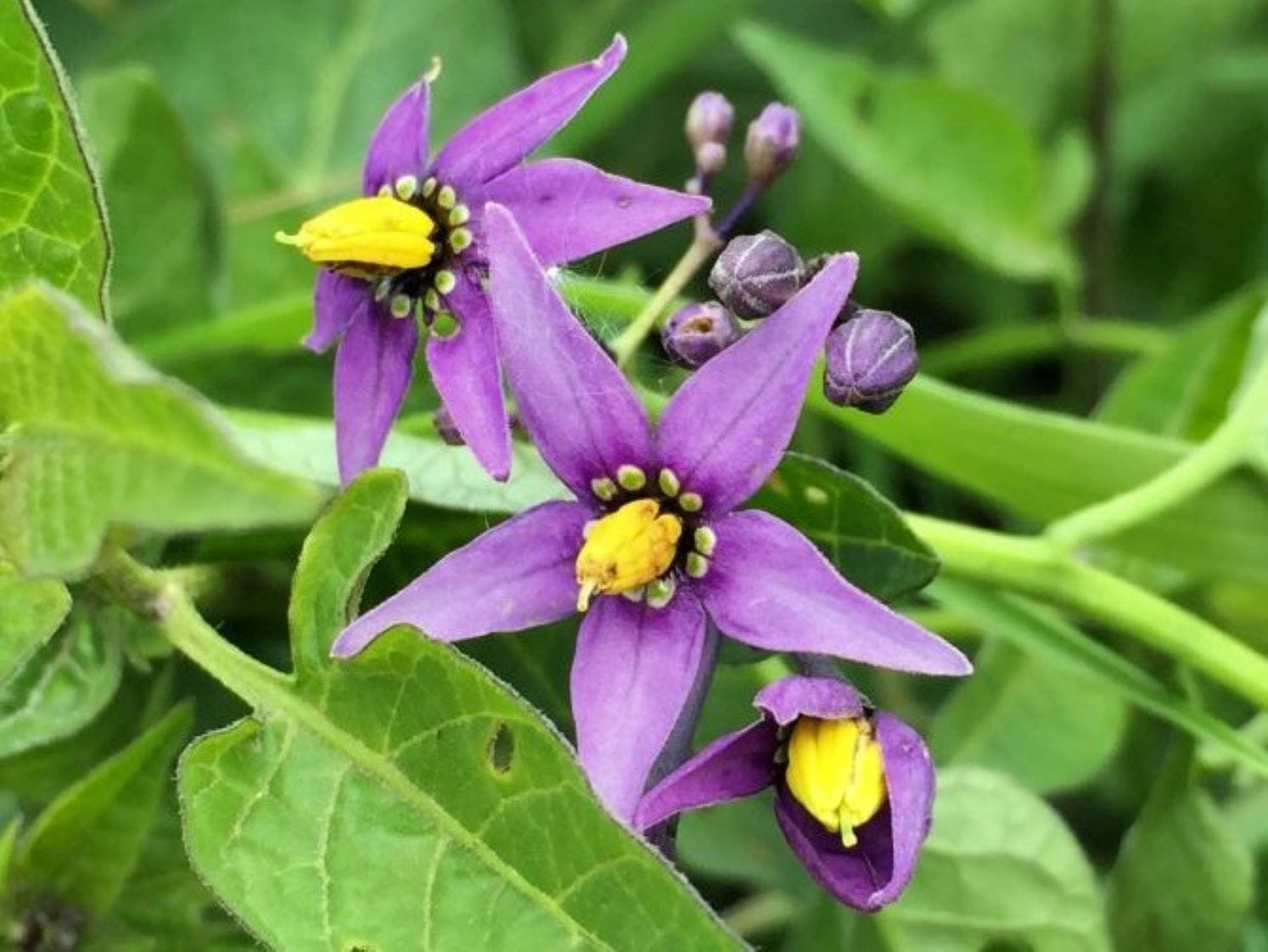
Both of them belong to the nightshade family - as do the potato and chili peppers. And tobacco. Tomatoes, classified as a fruit not a vegetable because they develop from the fertilised ovary of a flower and contain seeds, grew in the wild in Peru, Ecuador and Chile before becoming domesticated around 500 BC in southern Mexico and other parts of Central America. Several varieties of the xitomatl were cultivated by the Aztecs, as witnessed in the Aztec market at Tenochtitlán, the ancient name for Mexico City, by Bernardino de Sahagún. A 16th century Franciscan missionary and pioneering ethnographer in Mexico who taught himself the Nahuatl language, he documented aspects of Aztec culture in detail. What he observed sold were "large tomatoes, small tomatoes, leaf tomatoes, sweet tomatoes, large serpent tomatoes, nipple-shaped tomatoes", of all colours. They were cooked by the Aztecs into "foods, sauces, hot sauces…sauce of large tomatoes, sauce of ordinary tomatoes.”

After Spanish conquistador Cortés captured Tenochtitlán in 1521, tomatoes were taken back to Europe for cultivation, with the first mention of them in doctor and naturalist Pietro Andrea Mattioli's 1544 Herbal. A herbal was a practical guide with names, illustrations and descriptions of plants with their medicinal, culinary and, if they had any, magical properties. He suggested the tomato was a new type of supergones which could be sliced, salted, cooked in oil and eaten just like one. Ten years later, he came up with pomi d'oro, or ‘golden apples’ as the name for them.
Still, while the Spanish who first introduced tomatoes to Europe were by the early 17th century regularly cooking with them, elsewhere because of their relationship to Deadly Nightshade they were considered poisonous and only grown for table decoration. The earliest cookbook in Italy that mentioned them at all was published in Naples in 1692, containng only Spanish recipes.
Tomatoes weren’t grown in England until the 1590s and then, as in Italy, just for decoration. John Gerard, a barber-surgeon and author of his own (largely plagiarised) Herbal published in 1597, deemed it poisonous, which kept it out of general consumption for years, both in Britain and the colonies of North America. But by 1820, the tomato was common fare in markets and kitchens in both nations, and associated with Italian and Jewish cooking, two cuisines considered exotic.

A friend I consider the best cook I know spends time in Italy with access to superior produce grown in the open under a benevolent sun. Her trick with tomato salad improves all types including the kind of lesser tomatoes I have access to, struggling as they do under plastic to develop any kind of personality: She never makes it without first quickly blanching them to remove their skins before slicing them. Try it. I think you'll be astonished.
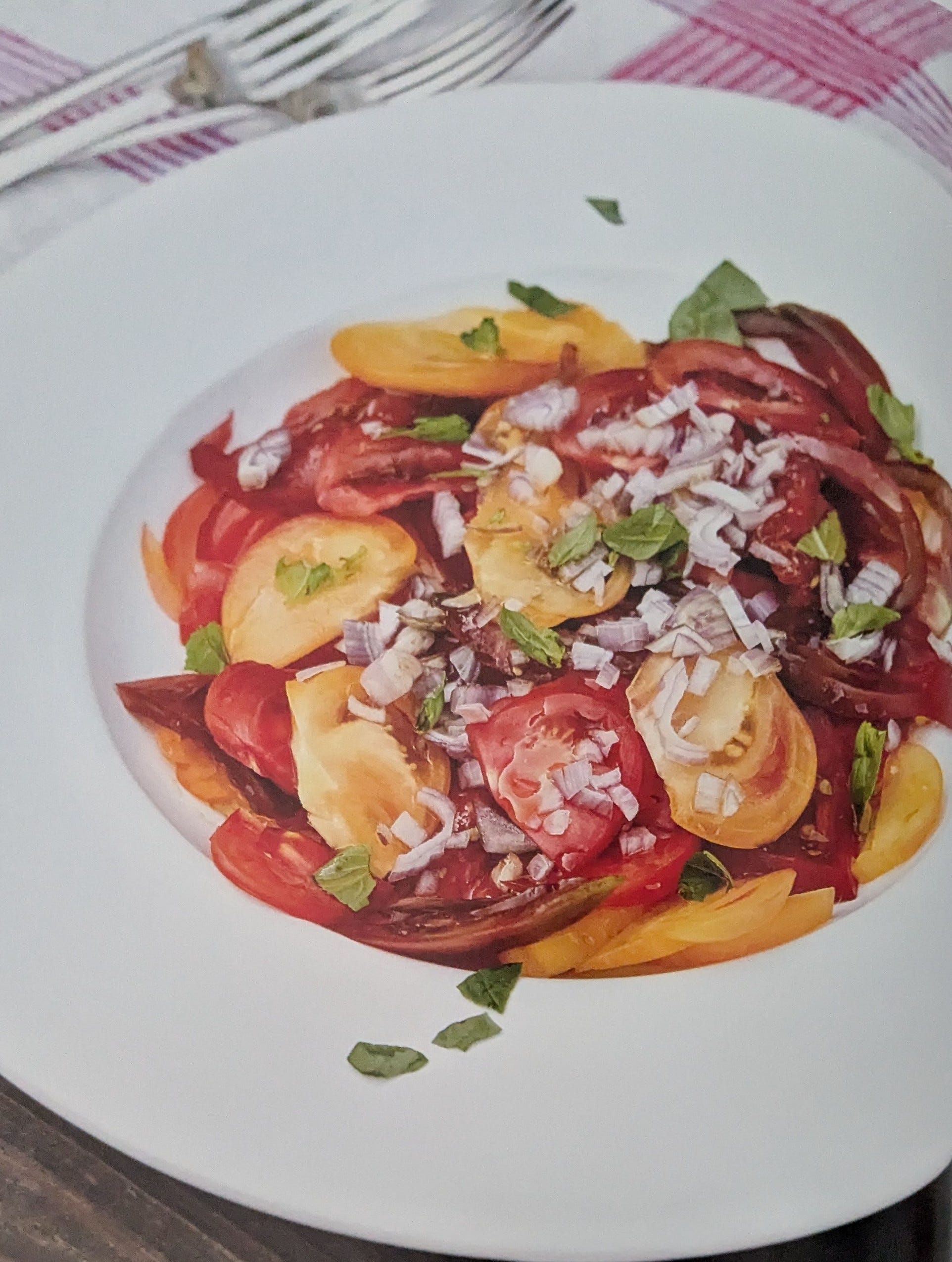
I am not always excited by a drift of basil on mine. Instead of the herb or along with a little of it, I scatter over some finely chopped shallots. If this sounds too astringent for you, soak them first in iced water for half an hour. It makes a nice change.
Many tomato recipes call for them to be deseeded and only their flesh to be used. Tossing out the innards is a waste and a shame. Push them through a sieve and you have a deeply tomato-tasting pale pink juice - or a clear one if you strain it through muslin or a paper towel that makes an ace Bloody Mary (quirkily pale and Instagrammable if you care about such things) or to add to sauces and soups.
A really quick summer soup for 6 people can be made by slicing 500g/1 lb tomatoes, adding them to 1 litre/2 pints chicken or vegetable stock, simmering it gently for an hour then straining the soup through a sieve. Reheat and serve hot or chilled with butter-fried croutons and an enriching dollop of whipped cream.
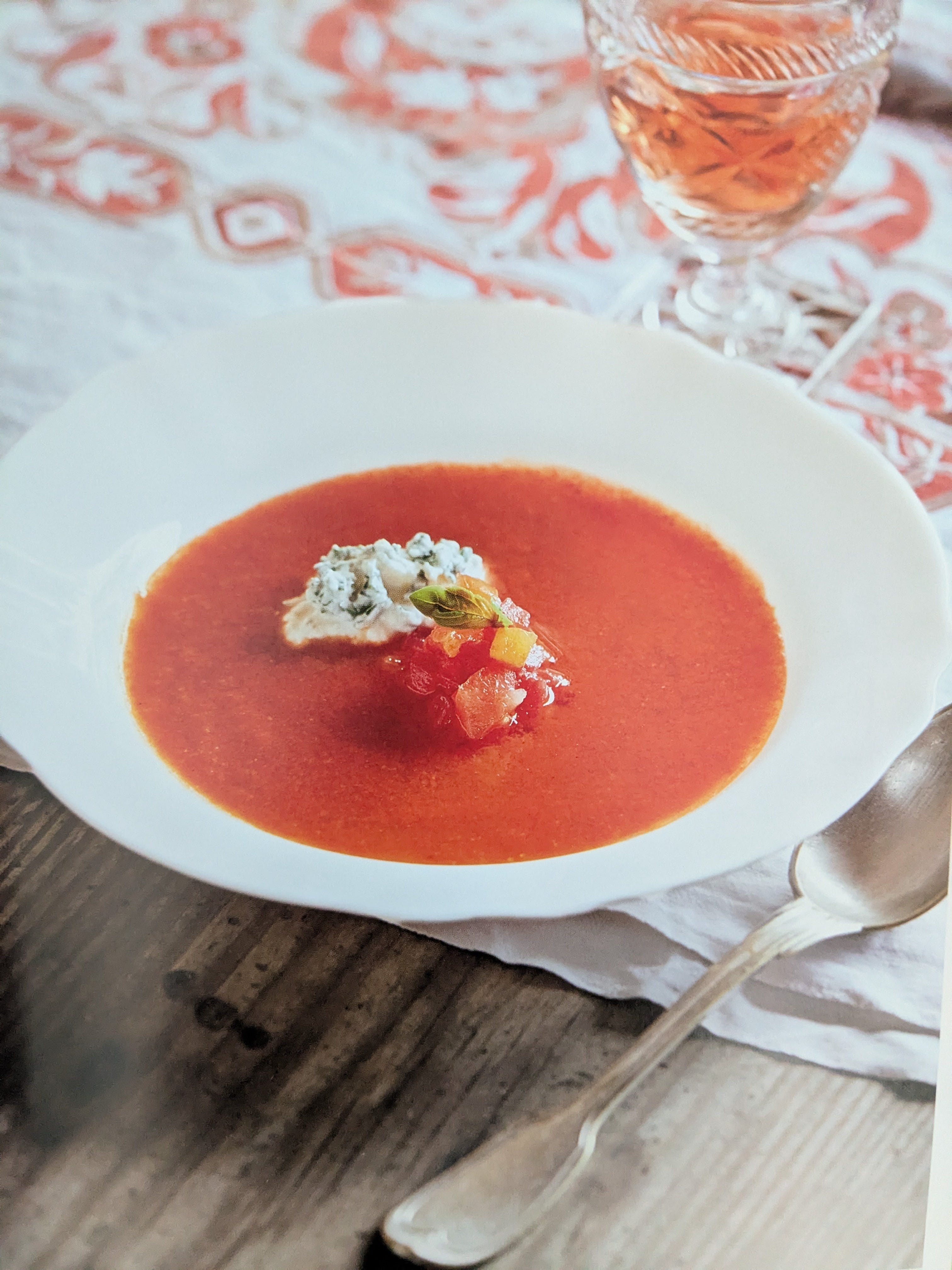
It’s a good soup to create when it’s so hot you don’t want to be imprisoned in a steamy kitchen. But if you want to impress, try this chilled one I made up specifically to impress. It's just a dolled-up regular tomato soup.
Serves 4-6
200g/7 oz full fat Greek yogurt (there’s really no point in any other kind)
salt and fresh ground black pepper to taste
small bunch of torn or chopped basil leaves
1½kg/3½lbs ripe tomatoes, plus 2 large red and 2 large yellow ones
olive oil
1 teaspoon sugar
200ml/7 fl oz chicken or vegetable stock
1 egg white
Preheat oven to 200C/400F.
Drain the yogurt over a bowl in a sieve lined with paper towel for 45 minutes. Turn the sieve upside down into another bowl, peeling off the paper and tossing away the liquid. Beat smooth, season to taste and fold in the chopped basil.
Slice the tomatoes (not the extra ones) crosswise and deseed them (see the main copy for suggestions for what to do with the juice) and lay them cut side up in a roasting pan. Pour over a wineglassful of olive oil, sprinkle over the sugar and roast 30-40 minutes till they begin to caramelise. Once cool, blitz in a blender, adding enough stock to make a pureed soup the thickness of light cream. Press through a sieve to eliminate the gunk, season to taste and chill.
Blanch, skin and deseed the 2 red and 2 yellow tomatoes, cut into small dice and reserve.
An hour before serving, whip the egg white stiff and fold into the herbed yogurt to create a mousse.
Mound a dessertspoonful of diced tomato flesh off-centre in a soup bowl, carefully pour the soup around it then add a heaped teaspoon of the herb mousse beside the diced tomatoes and serve.
They do tend to supergo...