
Bottoms up but a clear head
A recipe for home-made Crème de Cassis

The languid stretch between early and late summer is one of those times of year - Christmas is the other - when cocktails are called for, to go with hanging around barbecues and beach boardwalks.
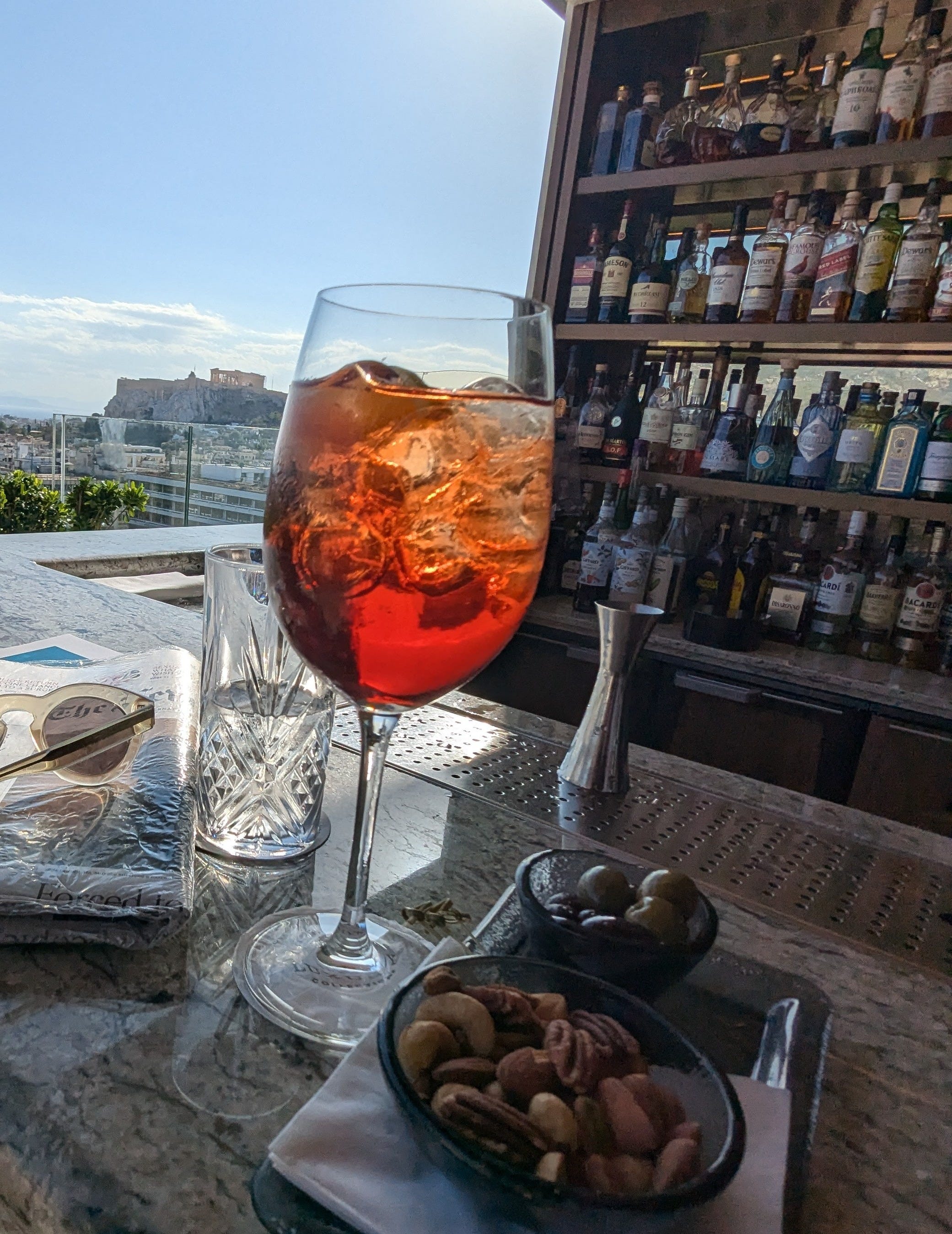
There’s always a place for a chilled rosé under the beating sun. But some kind of spirit-based drink in a glass clinking with ice is redolent of holidays, even during the working week.
Not all of them, though. Suddenly, Aperol Spritz tasted too sweet.
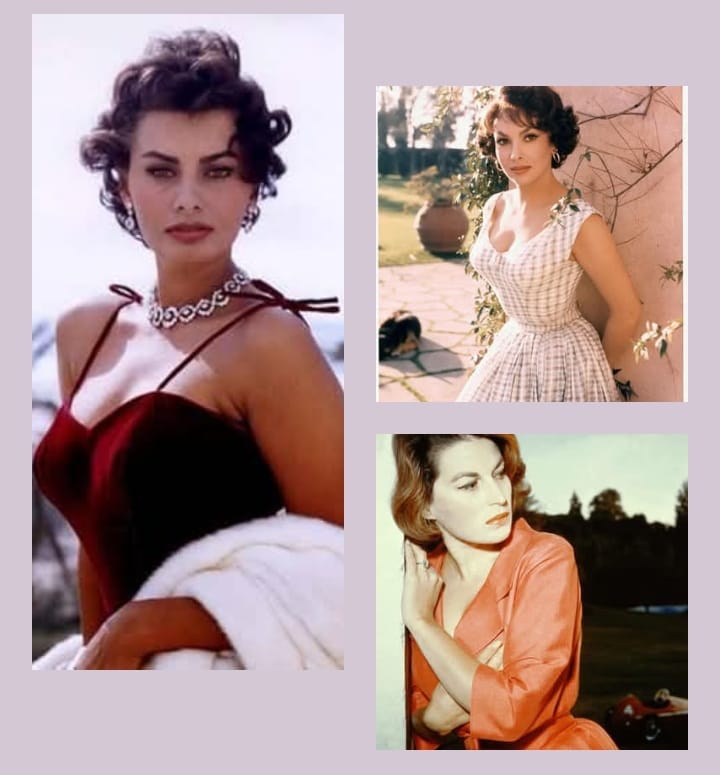
It may have become the go-to summer drink in the last ten years in cocktail bars across city and shore but it’s actually just over a century old. Created in 1919 by Luigi and Silvio Barbieri in Padua, Italy, it caught on following heavy promotion during those sultry 1950s years of glamour and fashion and Sophia Loren, Gina Lollobrigida and Monica Vitti, overtaking Campari in popularity.
In early 2003, the Campari Group bought Aperol and marketed the Spritz as the ultimate cocktail, inspiring everyone and their cockapoo who posted to Instagram. Me, I prefer the more bitter Campari Spritz. Or the Negroni Sbagliato - the Campari, red Vermouth and sparkling wine cocktail that came about through error. “Mistaken Negroni” was named when a barman in Milan pulled a bottle of Prosecco off the shelves instead of the gin necessary to making a classic Negroni.
Still, in the interests of personal sustainability, I’ve been in search of a decent non-alcoholic spirit to quaff for those careless hours languishing under a jaunty umbrella, protruding arms slowly turning the colour of a frankfurter.
With the slow spiral of decline in alcohol sales that the hard liquor industry fingers young drinkers with their preference for low or no-alcohol beers and mocktails as responsible for, the drinks industry has joined the re-invention game. Just as Big Food Biz has involved science to transform empty food into addictive nectar we shouldn’t be eating, so the drinks sector is diving into the creation of ‘Alcohol-Free’ booze.
But whereas whatever are the tricks that Big Food Biz pulls to make us eat too many Kettle Chips and which work extremely well on me, ‘Alcohol-Free’ spirits are pretty dreadful. I’d rather a tonic water stoked with an Angostura Bitters-kick than an alcohol-free gin tasting of the smell inside my granny’s wardrobe. It doesn’t matter how many botanical additions it contains, all claims that it is indistinguishable from the real McKoy are nonsense.
I’ve tried any number of them, and aside from non-alcoholic beers, of which there are some great brands, there hasn’t so far been a gin, whisky, vodka, wine or other liquor that hits the spot.
That vital spot is the seeping warmth, the smooth richness and bite delivered with the first sip of a proper cocktail.

But scientists at Belgium’s Flemish Institute for Biotechnology and the Catholic University of Leuven think they’ve cracked it. (Catholic in their choice of research projects, wouldn’t you say?) They have gone so far as to file a patent, for a combination of piperine, which is basically an alkaloid found in black pepper, plus nictonic acid known more familiarly to you and me as vitamin B3 or niacin. In the right ratio, apparently these two will bring to your harmless aperitif fuller body and a richer texture, along with a warming “buzz” lacking in current non-alcoholic spirits making them so unsatisfying to modest lushes like me. It sounds like a simple concoction, but it probably wouldn’t work with purchases from your purveyor of homeopathic cures.
A canny Swiss company is also in the game. Taking a leaf out of the industrial food complex which deliberately engineers ultra-processed foods to hack human neurobiology, it’s filed a patent for specific plant-derived flavour molecules that activate those taste and nerve receptors in your brain stimulated by alcohol. It describes these as “trigeminal” sensations which sounds a bit One Flew Over The Cuckoo’s Nest but merely relates to a response in the cranial nerves that transmit feeling. These molecules can reduce alcohol content by as much as 100 percent. But while they supply the taste and mouth-feel of alcohol, they don’t bring the warming buzz that the Belgian scientists say their own alcohol-free efforts can.
So far, it’s only licenses that are being pursued by these rival players, not actual bottles of alcohol-free spirits. This summer you’ll just have to hang in there with your boozy, woozy cocktails. But take care. Pretty soon you may have to pay particular attention to not saying anything to offend when out at night with your crew. You won’t be able to pass it off as “the drink talking” because you’ll be completely sober.
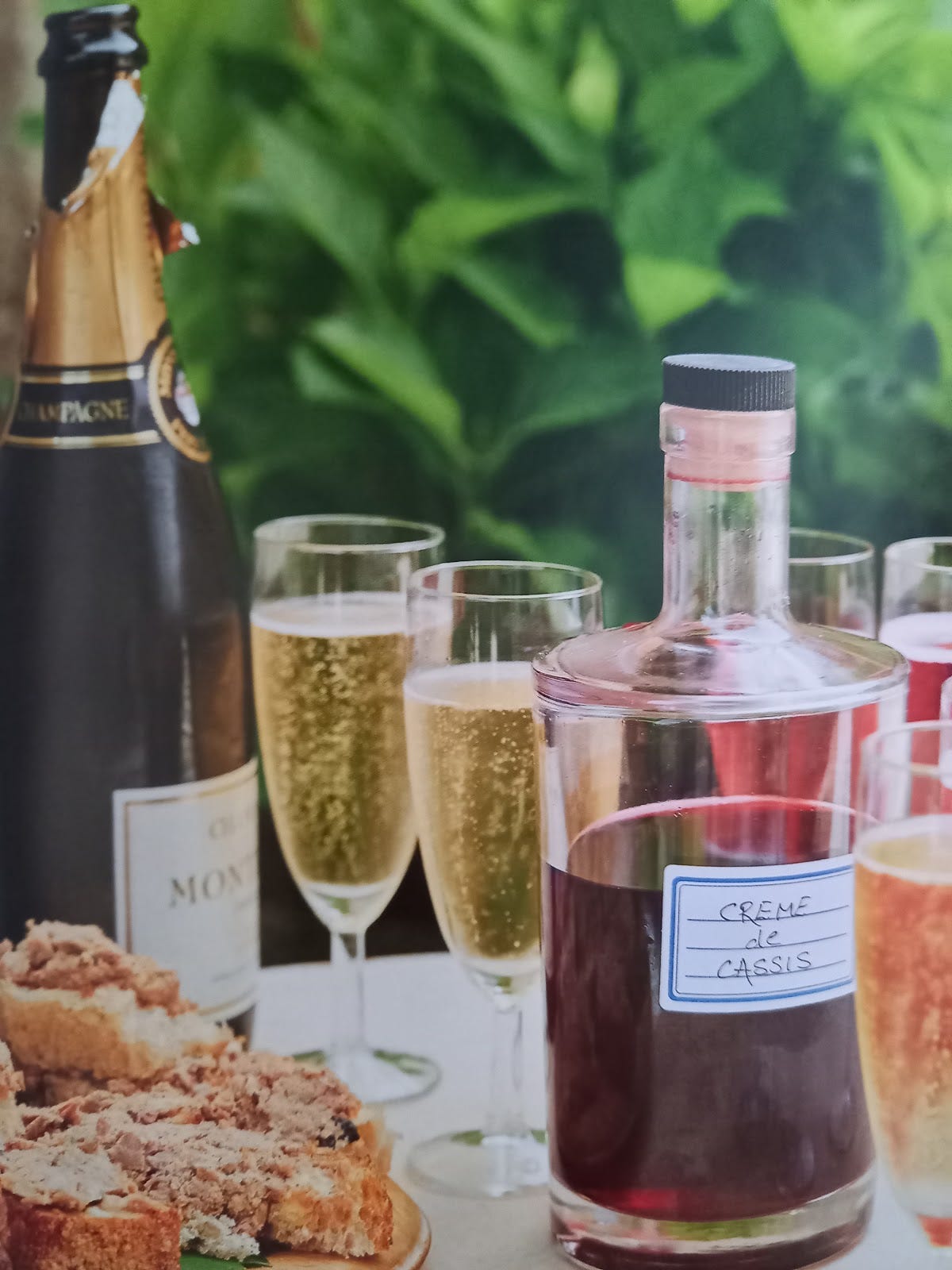
I published this recipe some considerable time ago. But back then I only had half a dozen readers, most of them living in my house. It creates an alcoholic cordial that is the base for one of summer’s best cocktails but it needs time to mature, so make it now.
500g/1lb blackcurrants, fresh or frozen
570ml/1¼ pint cheap vodka or gin
340g/12oz sugar but much less of your frozen blackcurrants are sweetened
Mash the blackcurrants with a fork or squeeze hard with clean hands. Add the remaining ingredients and mix together in a large bowl then ladle into bottling jars and leave in a dark place for, at the very least, one month. Try to forget about it as long as possible. I found one bottle after 2 years. It was sensationally good. When you remember it, strain it through doubled muslin cloth, squeezing out the juice, and re-bottle. Discard the pulp (although I did add a bit to Greek yogurt).
Serve it as if it were a fruit cordial - pour ½-¾ inch of Cassis in the bottom of a wine glass and top up with chilled white wine for a Kir, or sparkling wine for a Kir Royale.
My fave non-alcoholic drink is very strong hibiscus leaf tea, sliced lemon (plenty of vit C and some B) and iced water, Tonic or Perrier. Now I must try a sprinkle of pepper as well!
Julia, not on your zero alcohol point here, but I have become a convert to Cynar, a delicious slightly bitter Venetian vermouth made of artichokes -- it mixes well with so many options. I suspect you know it. Thanks for your always wonderful stories.